
Key Takeaways
Start by analyzing rental income and expenses first, since a property should perform based on current numbers before any improvements are considered.
Treat structural issues, outdated electrical, roof condition, and unpermitted work as major signals that require deeper evaluation or expert input.
Look for properties with cosmetic updates, minor repairs, or dated finishes, as these often offer the most straightforward path to increasing rental value.
Evaluate every issue in the context of long-term performance, focusing on how the property will operate and attract tenants over time.
Investing in a rental property in Central Oregon can be a smart move, but not every listing is worth pursuing.
Some properties come with issues that quietly drain returns over time, while others simply need a bit of updating to unlock their potential. Knowing the difference is what separates a confident investment from one that never quite performs the way you hoped.
If you are evaluating your next purchase, it helps to step back and look at each property through a practical lens. Not every flaw carries the same weight, and understanding which ones matter most can help you make clearer, more informed decisions before you move forward.
Start With the Numbers, Not the Property
Before diving into inspections or renovation ideas, it is important to understand the financial side of the deal. A property should be able to support itself based on realistic rental income and operating costs. That includes expenses like taxes, insurance, maintenance, vacancy, and management.
If the numbers do not make sense at the current market rent, cosmetic improvements will not change that outcome. It can be tempting to assume future rent increases will bridge the gap, but a solid investment typically works based on today’s conditions, not best-case projections.

Having a clear financial baseline gives you a framework for evaluating everything else. Once you know what the property needs to perform, it becomes much easier to determine whether a particular issue is worth addressing or a signal to move on.
What Typically Signals a Deal Breaker
Some issues go beyond surface-level concerns and point to bigger risks. These are the types of problems that can significantly affect both your upfront investment and long-term returns.
Structural Concerns
Structural issues are one of the most important factors to take seriously. Signs like uneven floors, sticking doors, or cracks around windows may indicate movement within the foundation.
Repairs in this category are rarely simple, and costs can be difficult to predict without expert input. If these signs appear during a walkthrough or inspection, it is worth bringing in a professional before making a decision.
Roof Condition
The condition of the roof plays a major role in the overall health of the property. A roof nearing the end of its life can lead to more than just replacement costs.
Moisture intrusion can affect insulation, framing, and interior finishes. While a planned replacement can be built into your budget, hidden damage beneath the surface requires closer evaluation.
Outdated Electrical Systems
Electrical systems deserve careful attention, especially in older homes. Outdated wiring or panels that do not meet current standards can affect both safety and insurance coverage.
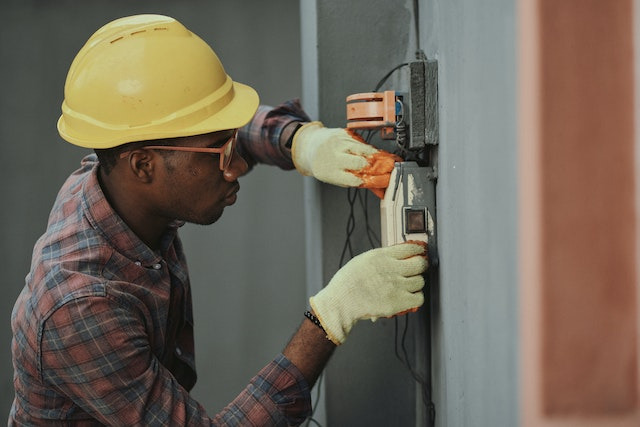
Upgrading electrical infrastructure can be a significant investment, so it is important to understand the full scope before moving forward.
Unpermitted Work
Unpermitted work is something many investors encounter, particularly in markets where owners have made informal upgrades over time.
Spaces that were converted without proper approvals may not meet code requirements. In some cases, that space cannot be counted toward rentable square footage, which directly impacts income potential.
Where Fixable Issues Become Opportunities
On the other side of the equation are properties that may not look appealing at first glance but offer real upside with the right improvements. These are often the deals that experienced investors look for.
Cosmetic Updates
Cosmetic updates are one of the most common opportunities. Worn flooring, outdated paint, and older fixtures can make a property feel dated, but they are typically straightforward to address.
With a thoughtful approach, these updates can improve both the appearance and rental value without requiring major structural work.
Kitchens And Bathrooms
Kitchens and bathrooms often fall into this same category. Even if finishes are outdated, functionality is what matters most in a rental.
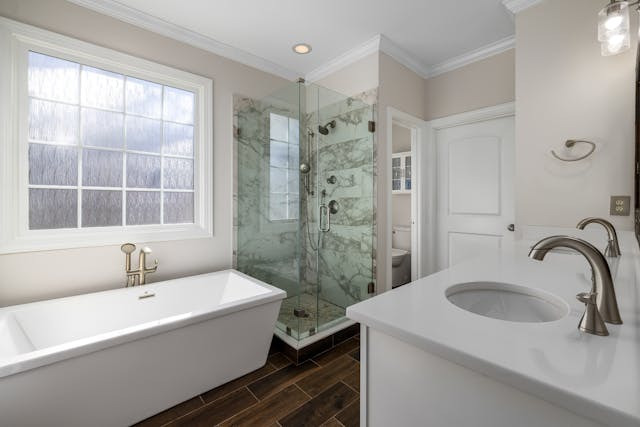
Simple upgrades like new surfaces, refreshed cabinetry, or updated lighting can make the space more appealing to prospective tenants.
Heating And Cooling Systems
Heating and cooling systems require a bit more context. An older system that is still operating properly may not need immediate replacement. Instead, it can be planned for as a future expense, allowing you to spread out your investment over time.
Exterior And Landscaping
Exterior condition, including landscaping, is another area worth considering. A neglected yard or overgrown shrubs can affect first impressions, but these are typically manageable improvements. Enhancing curb appeal can make a noticeable difference in attracting quality tenants.
Minor Plumbing Repairs
Minor plumbing items, such as slow drains or small leaks, are usually part of routine maintenance. The key is distinguishing between simple repairs and larger system-wide concerns. A detailed inspection can help clarify what you are dealing with.
The Gray Area That Requires a Closer Look
Not every issue fits neatly into one category. Some fall into a middle ground where the right decision depends on additional information.
For example, a property with past repairs to structural elements may still be a strong investment if the work was done correctly. Similarly, older plumbing or sewer lines may function well now but require replacement down the line. In these cases, gathering more information is the best approach.
Bringing in specialists can provide clarity and help you understand both the scope of the issue and the associated costs. Whether it is a structural engineer, plumber, or inspector with a specific focus, having detailed insight allows you to make a more informed decision.
This stage is where experience becomes especially valuable. Knowing when to move forward and when to pause often comes down to understanding how different factors interact over time.
Thinking Like an Investor
When evaluating a property, it helps to shift your mindset from buyer to operator. You are not just purchasing a home; you are stepping into an income-producing asset.
That means looking beyond the initial purchase and considering how the property will perform over time. Which tenants will it attract? How much upkeep will it require? How will it compare to other rentals in the area?
Each issue, whether major or minor, should be viewed in the context of your overall strategy. Some properties offer immediate stability, while others provide opportunities to add value through thoughtful improvements.
The goal is not to find a perfect property, but to find one that aligns with your investment goals and can be managed effectively over the long term.
Conclusion
Every rental property comes with its own set of considerations, and the key is understanding which ones truly matter. By focusing on the numbers first and evaluating each issue with a clear perspective, you can approach your next purchase with greater confidence and clarity.
If you are exploring opportunities in Central Oregon and want guidance on what to look for, PMI Central Oregon is here to help you evaluate properties, understand rental potential, and make decisions that support your long-term investment goals.
Reach out today to connect with our property management team and take the next step toward building a stronger rental portfolio.
Frequently Asked Questions
How Can I Tell if a Repair is Worth the Investment?
Compare the expected repair cost with its impact on rental performance, property condition, and long-term ownership expenses. A repair is more likely to make sense when it improves functionality, reduces recurring maintenance, or helps the property compete with comparable rentals. Cosmetic improvements may also be worthwhile when they can improve marketability without requiring a large capital investment.
How Important are Permits when Buying an Investment Property?
Permits can be important because unpermitted additions or conversions may create questions about whether the space can legally be used or included in the property's rentable area. Before purchasing, ask for documentation for significant additions, remodels, conversions, or other work that may have required approval. If something does not appear to match the rental property's records, investigate it before relying on that space when calculating potential rental income.
Should I Replace an Older HVAC System Before Renting Out a Property?
An older heating or cooling system does not necessarily need immediate replacement if it is operating properly and does not present a safety or reliability concern. Instead, have the system evaluated and consider its remaining useful life when building your maintenance and capital expense plan. This can help you avoid treating every aging component as an emergency while still preparing for larger future expenses.
When Should I Bring in a Specialist During the Buying Process?
Bring in a specialist when an inspection identifies an issue that requires expertise beyond a general property inspection. A structural engineer may be appropriate for suspected foundation problems, while an electrician or HVAC professional can provide a more detailed assessment of those systems. Getting an accurate understanding of the problem and likely cost can help you distinguish between a manageable repair and a risk that changes the viability of the investment.
Can a Property Manager Help Me Evaluate a Rental Before I Buy it?
A property manager can provide useful insight into the operational side of a potential investment, including rental potential, marketability, maintenance considerations, and the ongoing costs of managing the rental property. PMI Central Oregon provides rental analysis and property management services throughout Central Oregon, with services including property marketing, maintenance coordination, inspections, accounting, and legal compliance.