
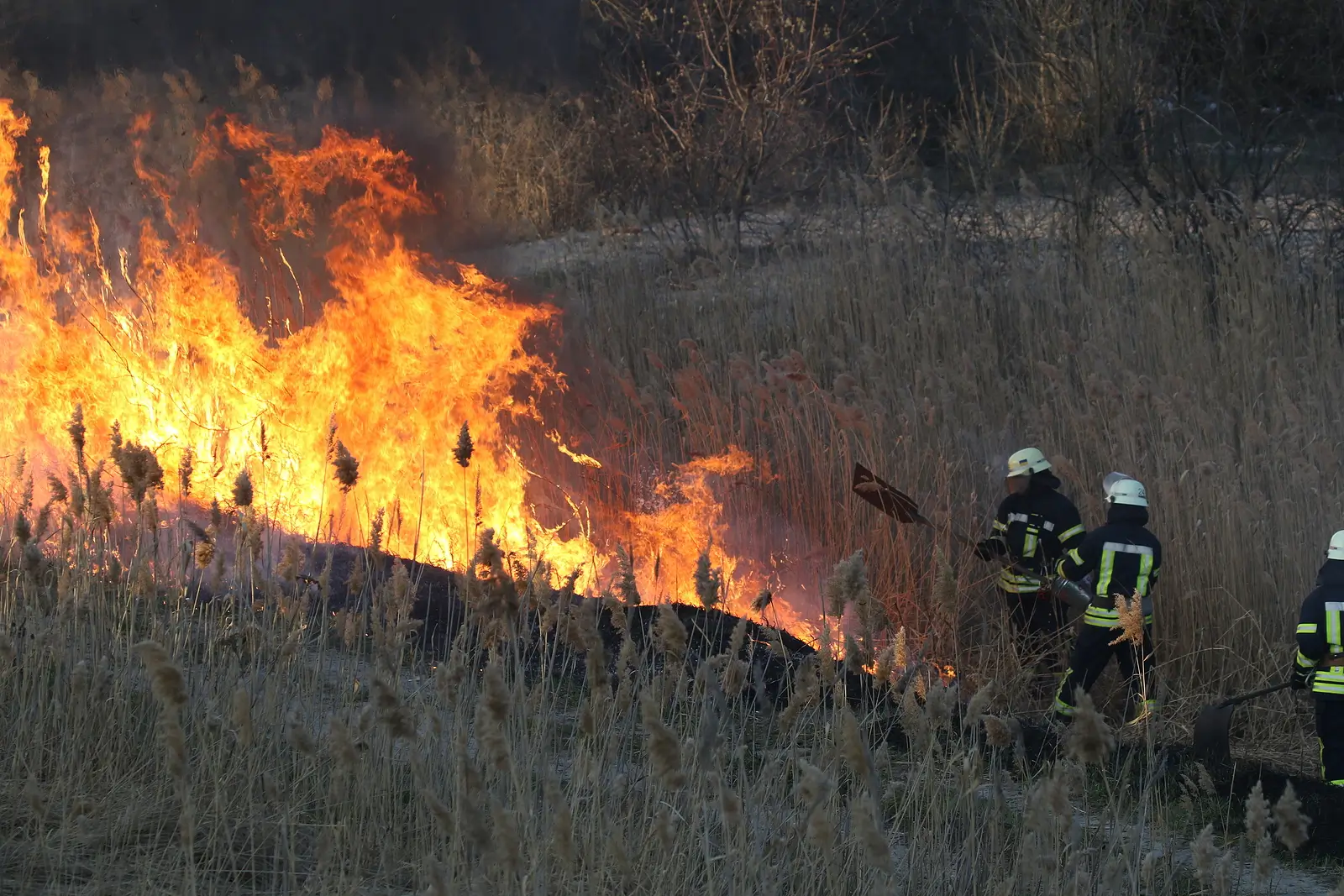
Fire is moving closer to homes in Bend and Central Oregon every year. Summers are hotter and drier, and the forests and brush near neighborhoods are ready to ignite.
If you are a landlord, your rental properties face real risks. Insurance rates are rising. Some companies refuse coverage. Local rules are changing, and properties may need upgrades to stay safe. One careless spark, a hot Labor Day, or weeks of dry weather could turn a safe rental into a disaster.
Keep reading to see why wildfire risk is a real threat for rental properties in Bend. Learn how insurance companies are reacting and what you can do to protect your homes and tenants before it’s too late.
Key Takeaways
- Wildfire risk is growing in Bend and Central Oregon.
- Rental properties near forests or brush are most exposed.
- Insurance costs are rising, and coverage may be limited.
- Maintain defensible space and use fire-resistant materials.
- Partner with property management experts like PMI Central Oregon to keep homes safe and tenants protected.
How Risky Are Rental Properties in Bend?
In Central Oregon, the mix of dry summer climate, vegetation like juniper and pine, and homes near wildland areas increases fire risk. The Oregon Department of Forestry (ODF) works with Oregon State University to map wildfire hazards across the state. Their map shows which properties fall into low, moderate, or high hazard zones based on weather, topography, and vegetation.
If your rental sits in a higher hazard zone, the risk is clear. The home is more exposed, tenants are at greater risk, and insurance costs could rise.
What This Means for Insurance Companies and Coverage
Insurance companies (insurers) look at wildfire exposure when setting rates or deciding coverage. For rental properties in high‑risk areas around Bend and the wider Deschutes County area, this has several implications:
- Insurance costs could increase because wildfire risk is rising across Oregon and the West.
- Some companies may hesitate to cover properties seen as high risk, or impose stricter terms.
- Your budget for property ownership must factor in these rising costs or limited coverage options.
- Importantly, Oregon law says insurers cannot use the statewide hazard map alone to set rates or deny coverage. But insurers still use their own models of fire risk and may treat homes near wildland‑urban interface as higher risk anyway.
What Rental Property Owners Should Focus On
For rental properties in Bend, fire risk means more than just an insurance line item. There are practical steps and responsibilities.
- Create defensible space around the house: clear vegetation, keep trees and brush away from structures, manage grasses and shrubs near homes. This helps reduce wildfire hazard.
- Use fire‑resistant materials for construction or renovation: roofs, siding, decks and other elements built or upgraded to resist ignition.
- Stay aware of building codes and local measures: State bills (like Senate Bill 762 passed in 2021 and Senate Bill 80 passed in 2023) created requirements for wildfire hazard mapping, defensible space codes and home‑hardening in high‑hazard zones.
- Talk to tenants. Make sure they know evacuation plans, understand risks and respect vegetation rules. That reduces liability for property owners.
Why Rental‑Market Value and Costs are Affected
Wildfires are part of a bigger trend affecting rental properties in Bend and Central Oregon. Climate change is making summers hotter and drier, while insurance rates and building costs continue to rise.
Property owners may see operating costs increase as insurers demand more coverage, vegetation around homes must be managed, and fire-resistant upgrades become necessary. At the same time, demand could shift. Some renters may avoid homes in high-hazard zones, and owners might need to pass on some of these costs, where allowed by law.
The regulatory burden is also growing. New codes for homes in the wildland-urban interface and high hazard areas are raising the cost to build, remodel, or maintain rental properties.
Other parts of Oregon are already seeing these standards take effect, showing that property owners must stay ahead of changing rules to protect both their investment and their tenants.
What to Watch For in 2026 and Beyond
As wildfire risk continues to grow, rental property owners need to stay alert. The coming years could bring higher insurance rates, stricter building codes, and more responsibilities to keep homes and tenants safe. Here are key trends and issues to watch for in 2026 and beyond.
- Insurance rates and availability: As wildfire seasons get longer and more intense because of climate factors, insurers worldwide are adapting. Rental property owners should track changes.
- New building and vegetation codes: The state and local governments may require more fire‑resistant construction standards, increased defensible space requirements, and regular vegetation maintenance.
- Market shifts: Properties in high risk zones may see different demand patterns, value changes, or increased turnover if tenants fear wildfire risk or higher costs.
- Costs vs benefits of mitigation: Upfront investment in defensible space and fire‑resistant materials increases costs now but may reduce risk, protect tenants and property, and help with insurance.
- Communication with insurers: Talk to your insurance companies early. Learn what they regard as fire‑resistant standards, what they require for coverage in high hazard zones, and what measures reduce risk.
How Property Management Companies Can Help
Managing rental properties in high-risk wildfire areas can be overwhelming. Property management companies play a critical role in helping landlords stay ahead of risks. They can ensure that defensible space is maintained around homes, coordinate vegetation management, and schedule fire-resistant upgrades when needed.
These companies also stay up to date on local codes, state regulations, and wildfire hazard maps, helping landlords remain compliant with changing laws. They can communicate evacuation plans to tenants and provide guidance on emergency procedures, reducing liability and keeping residents safe.
Working with a property management company can also simplify interactions with insurance companies. Managers can document mitigation efforts, provide proof of compliance with regulations, and help landlords maintain coverage. For property owners, this support can reduce stress, protect investment, and help maintain rental income even in areas with high wildfire risk.
Partnering with PMI Central Oregon helps landlords manage rental properties in wildfire-prone areas. The company oversees maintenance, schedules upgrades, and ensures homes meet local building codes.
To learn more about how we can help protect your rentals, visit PMI Central Oregon’s website today.
Quick Answers for Rental Property Owners
1. Can wildfire risk affect the resale value of my rental property?
Yes. Homes in high-hazard zones may sell for less or take longer to sell if buyers are concerned about fire exposure or insurance costs. Proactive mitigation can help maintain property value.
2. Are there financial incentives for landlords to invest in wildfire mitigation?
Some local and state programs offer grants, tax credits, or reduced insurance premiums for fire-resistant upgrades, defensible space, or approved vegetation management. Check with local agencies or your insurance provider.
3. How often should wildfire mitigation measures be updated?
Defensible space and fire-resistant improvements should be reviewed at least annually, especially before wildfire season. Updating based on vegetation growth, building wear, or new local codes helps keep the property and tenants safe.
Protecting Your Rentals from Wildfire Risk
Wildfires are a growing threat in Bend and Central Oregon. Rental properties near forests and dry brush face serious danger each year. Insurance costs are rising, and local regulations are changing. Some properties may need upgrades to remain safe.
Taking action now helps reduce damage and keeps tenants safe. Maintaining defensible space and updating homes with fire-resistant materials can make a real difference. Following local codes ensures your properties remain compliant.
With PMI Central Oregon, you can simplify managing rentals in wildfire-prone areas. Their team ensures properties stay well-maintained and compliant, so your tenants and investment remain protected.
Contact PMI Central Oregon today to safeguard your rental properties before wildfire season arrives.