
Key Takeaways
- Bend’s high-desert climate creates unique maintenance demands. Extreme temperature swings, intense UV exposure, heavy snowfall, and freezing conditions can accelerate wear on roofs, exterior wood, seals, plumbing, and irrigation systems.
- Seasonal maintenance is essential for protecting rental properties. Roof inspections, gutter cleaning, wildfire-defensible landscaping, pipe protection, and irrigation winterization can help prevent costly damage and keep properties ready for Central Oregon’s changing seasons.
- Clear maintenance responsibilities help protect owners and properties. Landlords should handle major systems, structural concerns, and larger exterior maintenance, while tenants should manage routine upkeep and promptly report problems.
Anyone who's managed a rental in Bend for more than one winter knows the maintenance routine has to be built around these conditions, not borrowed from advice written for a coastal or Midwest market. To help you effectively maintain your rentals, we at PMI Central Oregon have put together this guide!
How Bend's High Desert Climate Shapes Rental Maintenance
Central Oregon's elevation means the air stays dry most of the year, which actually helps prevent some of the mold and moisture issues common in wetter climates. But that same dryness, combined with hot summer days and genuinely cold nights, puts stress on building materials in ways that surprise owners coming from milder regions.
Wood siding and decking expand and contract more than expected, and exterior caulking and seals tend to fail faster under these conditions than manufacturers often advertise.
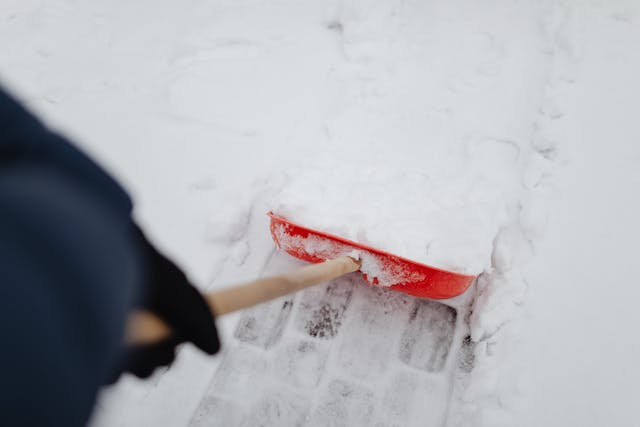
Winters bring real snow, sometimes several feet of accumulated depth over a season, which means roofs, gutters, and drainage systems all need to be built and maintained with that load in mind. A property that hasn't had its roof checked before winter runs a real risk of ice dams forming along the eaves, which can force water back under shingles and into the attic space.
Three Rental Maintenance Tasks You Need To Know
Here are some of common sectors of maintenance you shouldn’t ignore:
Roof and Exterior Care
The impact that snow has on a property is one of the biggest maintenance considerations specific to this region. Roofs need periodic inspection for damaged or aging shingles before the first heavy snowfall, since a small vulnerability in October can turn into a leak by January.
Gutters should be cleared of pine needles and debris in the fall, a task that's easy to underestimate given how many ponderosa pines surround properties throughout Bend and the surrounding communities.
Exterior wood surfaces, decks, fences, and siding benefit from a fresh coat of sealant every couple of years, since UV exposure at this elevation is stronger than most people expect and breaks down untreated wood faster than it would at sea level.
Wildfire-Ready Landscaping and Defensible Space
This is where Bend rental maintenance really departs from what most property owners are used to. Central Oregon sits in a wildfire-prone region, and maintaining defensible space around a rental property has become a genuine part of responsible ownership.
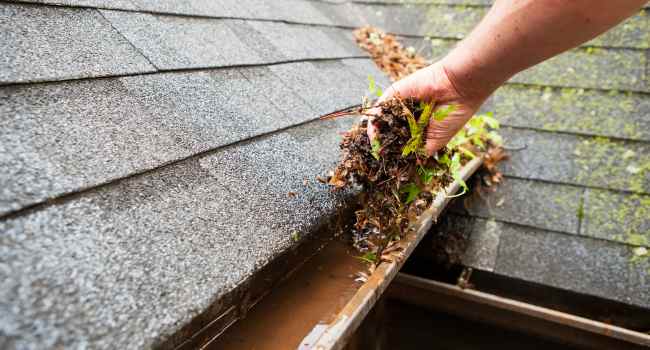
That means keeping vegetation trimmed back from the structure, clearing dry pine needles and debris from gutters and rooflines before fire season, and making sure any wood piles or flammable materials are stored well away from the house.
Landlords typically handle the larger-scale landscaping and tree management, while tenants are generally expected to keep the immediate yard area clear of debris and avoid stacking flammable materials against exterior walls. This shared responsibility works best when it's addressed directly in the lease agreement rather than assumed.
Freeze Protection for Pipes and Irrigation Systems
A hard freeze in Central Oregon can do real damage to a property that hasn't been prepared for it. Exposed pipes, especially in crawlspaces, garages, or exterior walls on older homes throughout Bend and Redmond, need insulation or heat tape before the coldest stretch of winter arrives. Irrigation systems need to be properly winterized and blown out each fall to prevent cracked lines once temperatures drop.
This is a task that tends to fall on the landlord, since it protects the structure itself, though tenants play a role too by reporting any signs of frozen or slow-draining pipes immediately rather than waiting to see if the problem resolves on its own.
Seasonal Tourism’s Impact on Wear and Tear
Bend's popularity as a destination for outdoor recreation means rental properties here often see more foot traffic and seasonal wear than a typical market, particularly properties located near trailheads, the Old Mill District, or the Deschutes River corridor.

Understanding how seasonal tourism affects long-term rentals in Bend helps owners anticipate additional wear on things like flooring, outdoor gear storage areas, and entryways during peak summer and winter recreation seasons.
Owners preparing to rent out a property for the first time benefit from reviewing what it actually takes to rent out a house in Bend before listing, since maintenance readiness plays a real role in how quickly a property attracts quality tenants.
And because Oregon's security deposit rules require clear documentation for any deductions, keeping a consistent maintenance record throughout the tenancy makes move-out inspections far less contentious.
Landlord and Tenant Maintenance Responsibilities
Oregon law requires landlords to maintain habitable conditions, but responsibilities on both sides are worth laying out clearly. Landlords are typically responsible for:
- Structural elements, including the roof, foundation, and exterior walls.
- Core systems like plumbing, electrical, and HVAC, including furnace servicing before winter.
- Winterizing irrigation systems and protecting exposed pipes from freeze damage.
- Defensible space landscaping and larger tree or brush management.
- Staying current with Oregon's rental laws and compliance requirements.
Tenant’s also bear certain responsibilities, include:
- Day-to-day cleanliness and proper trash disposal.
- Reporting maintenance issues as soon as they appear.
- Minor upkeep, including furnace filter changes and smoke detector battery replacement.
- Keeping the immediate yard area clear of flammable debris during fire season.
Bottom Line
Maintaining a rental property in Bend means planning around snow load, wildfire risk, and freeze cycles in a way that most standard maintenance advice never addresses. When landlords and tenants understand their respective responsibilities and stay ahead of the region's seasonal demands, the property holds up better and keeps tenants coming back.
If staying on top of snow removal, defensible space, and freeze protection feels like more than you want to manage alone, PMI Central Oregon can take that off your plate and keep your Bend rental protected through every season. Reach out today to see how professional property management can safeguard your investment year-round!
Frequently Asked Questions
How Often Should I Schedule Maintenance Inspections for a Bend Rental Property?
At minimum, owners should plan maintenance around Bend’s seasonal conditions. A pre-winter inspection can identify roof, gutter, heating, and plumbing issues before freezing temperatures and snow arrive, while a spring review can uncover damage from winter weather. Regular inspections can also help identify smaller problems before they become costly repairs.
Who is Responsible for Wildfire-Related Landscaping at a Bend Rental?
The division of responsibilities should be clearly established in the lease. Owners generally remain responsible for larger landscaping tasks, tree management, and maintaining the property itself, while tenants may handle routine yard cleanup and removing debris. Clearly documenting these expectations can help ensure defensible-space requirements and property maintenance do not get overlooked.
Should Property Owners in Bend have a Professional Handle Seasonal Maintenance?
Professional assistance can be especially valuable for owners who live outside Central Oregon or do not have the time to coordinate seasonal maintenance. A property management company can oversee inspections, maintenance requests, vendor scheduling, and preventative work so important tasks are completed before weather-related problems arise.
How can Rental Property Owners Reduce Maintenance Problems Between Tenants?
Start with a thorough move-out inspection and address needed repairs before the next resident moves in. Document the property's condition, check high-use areas such as flooring and entryways, service major systems, and prepare outdoor areas for the upcoming season. Maintaining detailed records also gives owners a clearer history of the property's condition and repairs.
Why is Preventative Maintenance Important for a Bend Rental Investment?
Preventative maintenance helps owners address predictable problems before they result in major damage, prolonged vacancies, or emergency expenses. In Bend, staying ahead of snow, freezing temperatures, wildfire risks, and exterior deterioration can help preserve the property's condition and support more consistent long-term rental performance.