Key Takeaways
Maintenance emergencies involve immediate safety or health risks, major property damage, or conditions that make a rental unsafe to occupy.
Routine repair requests still deserve prompt attention, but not every malfunction requires an after-hours dispatch.
Clear reporting instructions, preventive maintenance, and reliable contractors help Central Oregon landlords respond efficiently.
A burst pipe rarely happens at a convenient time. Neither does a failed heating system during a winter storm. When trouble strikes, landlords need to distinguish between situations requiring immediate action and repairs that can safely wait for regular business hours.
At PMI Central Oregon, we understand the importance of having a practical emergency maintenance plan that protects rental properties, reduces confusion, and gives residents clear instructions. The goal isn't to treat every service request as a crisis but to recognize serious problems quickly and respond appropriately.
What Qualifies as a Maintenance Emergency?
A maintenance emergency generally presents an immediate threat to people, makes a home unsafe, or risks substantial damage if nobody intervenes promptly. The seriousness depends on the circumstances, not just the name of the problem.
Before deciding how to respond, consider:
Safety: Could the condition cause injury, illness, fire, or exposure to dangerous substances?
Damage: Is water, weather, or another hazard actively threatening the building?
Habitability: Has an essential service failed or has part of the home become unsafe to use?
Urgency: Would delaying action meaningfully increase the risk?
An issue can qualify even when the visible damage seems limited. Conversely, an inconvenient failure may be manageable until a technician is available. Use these questions to guide the initial response, not to replace applicable legal duties.
Examples That Require Immediate Attention
The following problems generally warrant an emergency response:
Suspected gas leak: A gas odor may indicate an explosion risk. Occupants should leave immediately and call the utility or emergency services from a safe location.
Fire or carbon monoxide alarm: Evacuate and contact emergency services before notifying management. Never assume an alarm is false.
Burst pipe or uncontrolled flooding: Flowing water can damage flooring, electrical systems, walls, and neighboring units.
Sewage overflow: Wastewater entering living areas poses sanitation risks and requires prompt containment.
Heating failure during freezing conditions: A loss of heat can affect habitability and expose plumbing to freezing.
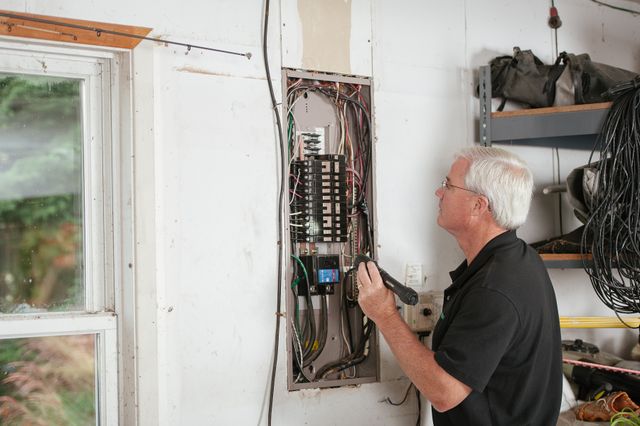
Electrical danger: Sparking equipment, exposed live wires, or a burning odor call for urgent professional assessment.
Serious storm damage: A fallen tree, damaged roof, or compromised entrance may leave the building exposed or unsafe.
Unable to secure an entrance: A broken exterior lock or damaged door may create an immediate security concern.
A widespread power outage may require contacting the utility rather than sending a property contractor. If there is immediate danger, residents should call emergency services first. Management should coordinate follow-up only when the scene is safe.
Problems That Can Usually Wait for Business Hours
Many maintenance requests are important without demanding an overnight visit.
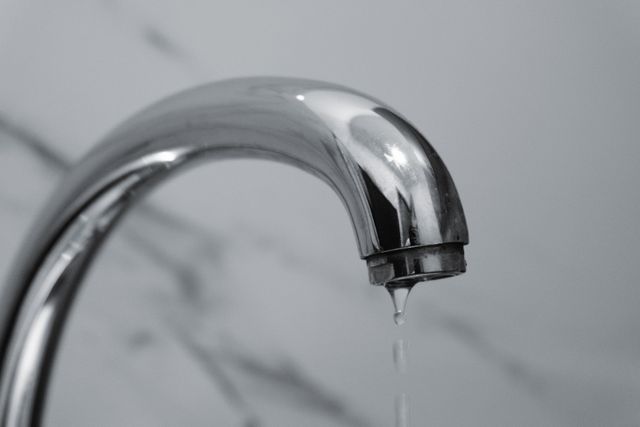
A slowly dripping faucet, running toilet, noisy appliance, or dishwasher that stops working may be suitable for normal scheduling if the issue is contained and the property remains safe.
Even seemingly minor failures need context. A refrigerator supplied by the landlord qualifies as an essential service under Oregon law, so an outage should be reported promptly and assessed for required action. A clogged drain becomes serious if sewage backs up, while a window that won't close may create security or weather-exposure risks.
Encourage early reporting rather than asking residents to judge urgency. Management can assess the problem and determine a response.
Central Oregon Weather Changes the Risk
Cold weather worsens heating failures, frozen plumbing, and roof leaks. Rain or melting snow can expose drainage problems, while wildfire smoke and heat complicate ventilation and cooling.
Evaluate a cooling failure based on the home's conditions, installed equipment, and applicable requirements. A broken system shouldn't be dismissed automatically, especially when indoor temperatures make occupancy unsafe.
Arrange heating inspections, address exposed pipes, inspect roof drainage, and check weather seals before seasonal conditions intensify. Following a seasonal rental property maintenance plan can help prevent costly weather-related damage.
Create a Written Emergency Maintenance Policy
An effective policy tells residents how to reach help and what information to provide. Include it in the lease materials and review it when occupants move in.
Your instructions should identify:
The after-hours emergency contact and the usual process for non-emergency requests.
Examples of hazards that require evacuation or a call to emergency services.
How to describe the location, severity, and progression of a problem.
The location of accessible water shutoff valves, when appropriate.
A reminder not to attempt electrical, gas, or other dangerous repairs.
Keep the language straightforward and avoid promising a guaranteed repair completion time. You can promise a process for receiving and assessing reports; actual restoration may depend on conditions, parts, and vendor availability.
Prepare Before a Contractor Is Needed
A good response depends on decisions made long before an incident. Maintain contacts for plumbing, electrical, heating, restoration, and general repair services. Before hiring, follow the Oregon Construction Contractors Board's guidance to verify contractor licenses and review complaint histories.
Owners should also establish emergency spending authority. A clear approval threshold allows necessary stabilization work to begin without repeated calls, while preserving oversight of larger expenses. Review insurance coverage, deductibles, and the steps for notifying your insurer after damage.
During an incident, log the initial report, photographs, contractor findings, decisions, and completed repairs. These records support insurance claims, expense tracking, and any later discussion about responsibility. Follow up after the immediate hazard is contained to address underlying causes and prevent repeat problems.
Understand Oregon's Habitability Requirements
Under ORS 90.320, landlords must maintain habitable rental housing, including specified plumbing, heating, electrical, weather-protection, and safety features. Oregon law also provides remedies involving failures of essential services under ORS 90.365.
An internal label of "non-emergency" does not override these obligations. Following a landlord compliance checklist can help owners maintain proper repair documentation and meet their legal responsibilities.
Bottom Line
Coordinating urgent repairs can be especially demanding for owners who live away from their rentals or manage several properties. PMI Central Oregon offers property maintenance coordination and inspections, along with an after-hours emergency line and an online channel for non-emergency maintenance requests.
With professional property management, owners benefit from a consistent reporting system that simplifies issue assessments, vendor coordination, and repair documentation without handling every call personally. To learn more about managing your Central Oregon rental, contact PMI Central Oregon and request a rental analysis.
Frequently Asked Questions
Is a Broken Refrigerator an Emergency?
Not necessarily an immediate safety emergency, but it deserves prompt attention. Oregon defines a landlord-supplied refrigerator as an essential service. Assess the circumstances and applicable repair obligations rather than assuming it can wait indefinitely.
What Should Residents Do First During an Emergency?
If there's danger, move to safety and contact emergency services. Once safe, notify the property manager or landlord. Residents may take simple preventive actions, such as using an accessible water shutoff, only if they can do so safely.
Who Pays When a Tenant Causes the Damage?
Responsibility depends on the facts, lease terms, and applicable law. Document the cause, obtain appropriate repair records, and avoid assigning charges before evaluating whether the damage resulted from misuse, ordinary wear, or another issue.
Should Landlords Provide an After-Hours Contact Number?
Yes. One clearly identified emergency contact reduces uncertainty and makes reports easier to prioritize. Explain how the system works and provide a separate method for routine requests so the emergency line remains available for serious problems.
How Can Landlords Reduce Emergency Maintenance Costs?
Invest in regular inspections and preventive service, respond to small problems before they spread, and keep a current vendor list. A documented response process can limit additional damage and help owners make more informed repair decisions.