
.jpg)
Key Takeaways
Renovating before you rent can raise rent, attract stronger applicants and reduce early repairs, but only when the improvements are targeted and the added rent or lower vacancy justifies the cost.
Renting as-is can get a property earning sooner and conserve cash, though it may mean a lower rent, a longer search for the right tenant and more maintenance surprises.
Prioritize safety, function and the repairs tenants notice first, compare costs with realistic rent, and verify current Oregon requirements with a qualified attorney.
Deciding whether to renovate a rental property or put it on the market as-is can have a major impact on your investment. Improvements may help attract tenants, support a higher rental price and prevent maintenance issues, but they also require upfront spending and can delay rental income. Leaving the property as it is may get it earning sooner, provided the home is safe, functional and ready for occupancy.
For rental owners in Bend, Redmond and the surrounding Central Oregon area, PMI Central Oregon can help evaluate property condition, rental potential and the improvements worth considering. This guide explores the advantages and drawbacks of both approaches, highlights updates that may offer the most value and explains how to compare renovation costs with potential rental returns.
Start With an Honest Condition Check
Walk through the home as if you were a prospective tenant seeing it for the first time.
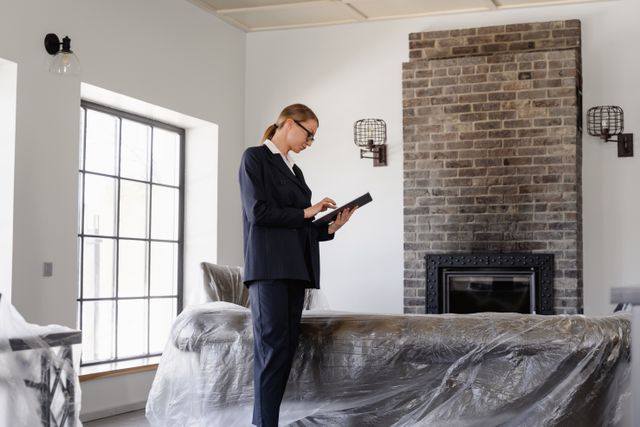
Look at the exterior, entry, living areas, kitchen, bathrooms, bedrooms and storage. Note what is broken, worn, dated or unsafe. Then separate the issues into three groups:
Must fix: Safety hazards, habitability issues and anything that affects function, such as heating, plumbing, electrical, roofing, locks and smoke and carbon monoxide detectors.
Should fix: Items that tenants will notice and that affect rent or turnover, such as worn flooring, stained walls, damaged fixtures and failing appliances.
Nice to have: Cosmetic upgrades that improve appeal but are not necessary, such as designer finishes or luxury features.
The must-fix list is not optional. Rental homes need to meet legal and safety standards, and Oregon has landlord-tenant rules about habitability that can change. Verify current requirements with official sources and consult a qualified attorney for legal questions.
The Case for Renovating First
A well-prepared home often shows better, photographs better and rents faster. Updated paint, clean floors and working fixtures can make a strong first impression and reduce the chance that applicants walk away. A property in good condition may also support a higher rent, and it can attract tenants who take care of the property.
Renovation can also prevent early problems. Fixing a leaking faucet, a failing water heater or an aging furnace before a tenant moves in is usually cheaper and less disruptive than dealing with an emergency later. Tenants who feel they are living in a well-maintained home may be more likely to stay and to report issues promptly.
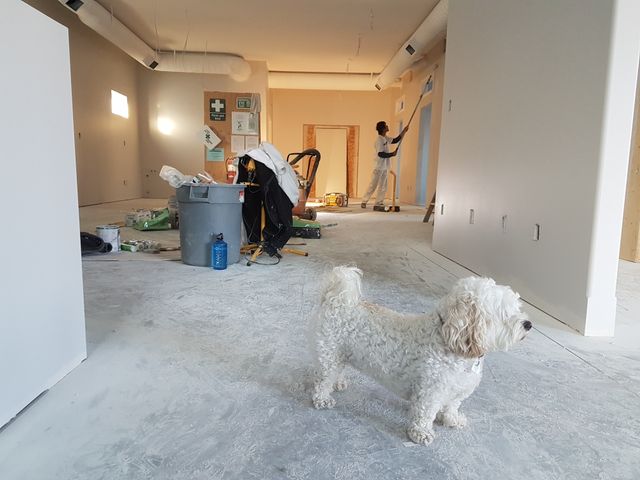
The key word is targeted. Spending heavily on features that renters do not value, or that do not change the rent, can leave you with a lower return than you expected.
The Case for Renting As-Is
Renting as-is makes sense in some situations. If the home is already clean, safe and functional, minor cosmetic wear may not justify delay. Owners who need income quickly, or who plan to renovate between tenants, may choose to rent the home in its current condition and adjust the rent accordingly. A lower price can attract tenants who value affordability over finishes.
Be honest about the tradeoffs. An as-is home may need a lower rent, may take longer to lease and may generate more maintenance requests in the first year. Tenants may also be less careful with a property that is already worn. Do not confuse as-is with unsafe or uninhabitable, since a rental must meet applicable standards regardless of how it is priced.
What Improvements Usually Matter Most
When you have a limited budget, focus on changes that tenants notice and that protect the property. Common high-value items include the following:
Deep cleaning of the entire home, including carpets, windows and appliances.
Fresh, neutral interior paint.
Durable flooring in worn areas, such as vinyl plank or similar low-maintenance options.
Working, clean appliances and updated fixtures where needed.
Repairs to doors, locks, windows and screens.
Updated lighting and replacing broken switches and outlets.
Landscaping and curb appeal, such as tidy yards and clear walkways.
Servicing heating, which matters in Central Oregon winters.

Choose durable, easy-to-clean materials. Rentals take more wear than owner-occupied homes, so choices that stand up to use often make more financial sense than delicate finishes. Be aware of potentially deal-breaking issues that may deter prospective tenants.
Central Oregon Considerations
Local climate and lifestyle influence what renters value. Cold winters make reliable heating, good insulation and sealed windows important. Snow and ice make safe walkways and parking more important, while ongoing property maintenance is also crucial.
Many renters value storage for outdoor gear, a garage or covered parking and pet-friendly features. Ask a local manager what features are in demand in your part of the area, since tastes can vary between neighborhoods and price ranges.
How to Compare the Numbers
Treat renovation like any other investment. Estimate the cost of each improvement, the expected effect on rent or vacancy and how long it would take to recover the cost. Use these steps:
Get a realistic estimate of rent for the home in its current condition.
Get a realistic estimate of rent after the improvements.
Subtract the difference over a year to see the added income.
Add the renovation cost and the rent lost while work is underway.
Compare the payback period with how long you plan to own and rent the property.
Consider less tangible benefits, such as fewer repairs and better tenants.

All of these figures are estimates. Market conditions change, contractor prices vary and results are not guaranteed. Build in a cushion for delays and overruns, and avoid assuming the best case.
Timing and Vacancy Costs
Every week of renovation is a week without rent. Plan the work so that it is done efficiently, and order materials in advance when possible. Consider doing work between tenants rather than letting the home sit empty longer than necessary. If you are weighing a large project, compare the lost rent with the expected gain, and consider phasing improvements.
Season matters too. In Central Oregon, outdoor work may be easier in warmer months, while indoor work can continue year-round. Ask contractors about realistic schedules and keep a written scope so that expectations are clear.
Document Everything
Whichever route you choose, document the condition of the home before a tenant moves in. Take dated photos or video of every room and prepare a move-in condition report.
This record helps with future disputes about damage and cleaning, and it shows what you did to prepare the home. Keep receipts and invoices for tax and insurance purposes and talk with a tax professional about how improvements and repairs may be treated.
Bottom Line
Choosing between renovating before renting and listing your property as-is comes down to its current condition, your budget, timing and local rental demand. Essential safety and maintenance issues should always be addressed, but cosmetic upgrades need to make financial sense. Focus on improvements that tenants value, estimate the potential return and account for lost rental income while work is underway.
If you need help evaluating your options, professional property management can provide valuable insight into rental pricing, property condition, tenant expectations and rent-ready improvements. PMI Central Oregon works with local property owners to coordinate the details of renting and managing an investment, helping you make informed decisions while protecting your property's long-term potential.
Frequently Asked Questions
Is it better to renovate a rental property before renting it out?
It depends on the property's condition, your budget and local rental demand. Renovations may improve tenant appeal, support higher rent and reduce early maintenance issues. However, extensive upgrades can be difficult to justify if they do not meaningfully increase rental income. Start with safety and functional repairs, then prioritize improvements that offer a realistic return.
What repairs should I make before renting out my home in Oregon?
Address anything that affects safety, habitability or essential property functions. This includes issues with plumbing, electrical systems, heating, roofing, locks, windows and required safety devices. Oregon landlords must meet applicable habitability standards regardless of whether a property is marketed as-is. Confirm current state and local requirements before listing your rental.
Can I legally rent out my property as-is in Oregon?
You may be able to rent a property with cosmetic wear or outdated finishes, provided it meets applicable legal and habitability requirements. Renting as-is does not remove a landlord's responsibility to maintain a safe and habitable home. Disclose known issues appropriately and consult a qualified Oregon attorney if you are unsure about your obligations.
Which renovations offer the best return for rental properties?
Practical improvements often provide more value than luxury upgrades. Fresh paint, durable flooring, clean and functional appliances, updated lighting and well-maintained landscaping can improve a property's appeal. In Central Oregon, reliable heating, insulation, secure parking and useful storage may also matter to prospective tenants. Compare the cost of each project with realistic rental income before committing.
How do I know if a renovation will pay for itself?
Compare the property's expected rent before and after the improvements, then calculate how much additional income the upgrades could generate over time. Include contractor costs, materials, unexpected expenses and lost rent during renovation. Consider whether the investment makes sense based on your ownership timeline and whether it could also reduce maintenance or vacancy costs.
Can a property management company help prepare my rental for tenants?
Yes. A property manager can evaluate the home's condition, recommend practical improvements, coordinate contractors and help establish an appropriate rental price. A local company can also provide insight into what tenants expect in different Central Oregon communities. This guidance can help owners prioritize necessary work without spending unnecessarily on upgrades that may not improve rental performance.